
These days my morning routine includes tears in my tea.
I get up and I check the news and social media on what is happening in Iran. You’ve probably heard about Iranian women and girls…compulsory hijab of the Islamic Republic…getting killed for showing a bit of hair…and resisting. Mainstream sources do not report on this feminist revolution as often as I would like, so my resources are limited. I go onto social media and see the videos that people bravely film and share, knowing that even filming what is happening can be used to arrest them. I go there and read who else was arrested, tortured, raped and killed. And I cry.
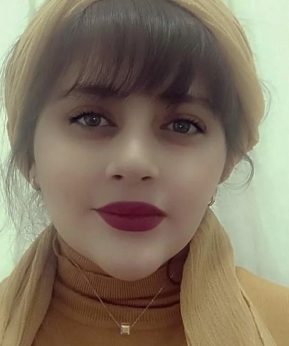

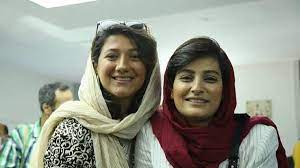
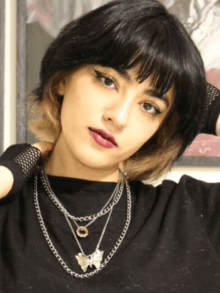
I am not alone in my tears. Every Iranian-Canadian/America/European you know is crying. We are filled with hope, fear, despair, anger, and love for the people, the very young people, who are being killed every day. We are not doing well and we are also doing great. I have never experienced such unity in the collective pain of the Iranian diaspora community, such determination to help, and a sense of closeness with one another.
There is beauty in unity. And I have been thinking about beauty.
How beautiful it is to see young girls play with the wind in their hair. How beautiful it is to see young lovers kiss on a park bench; to watch someone let loose and dance in the streets to the rhythm of the music, to witness people care for each other, come together, stand in solidarity with each other, and to witness love.
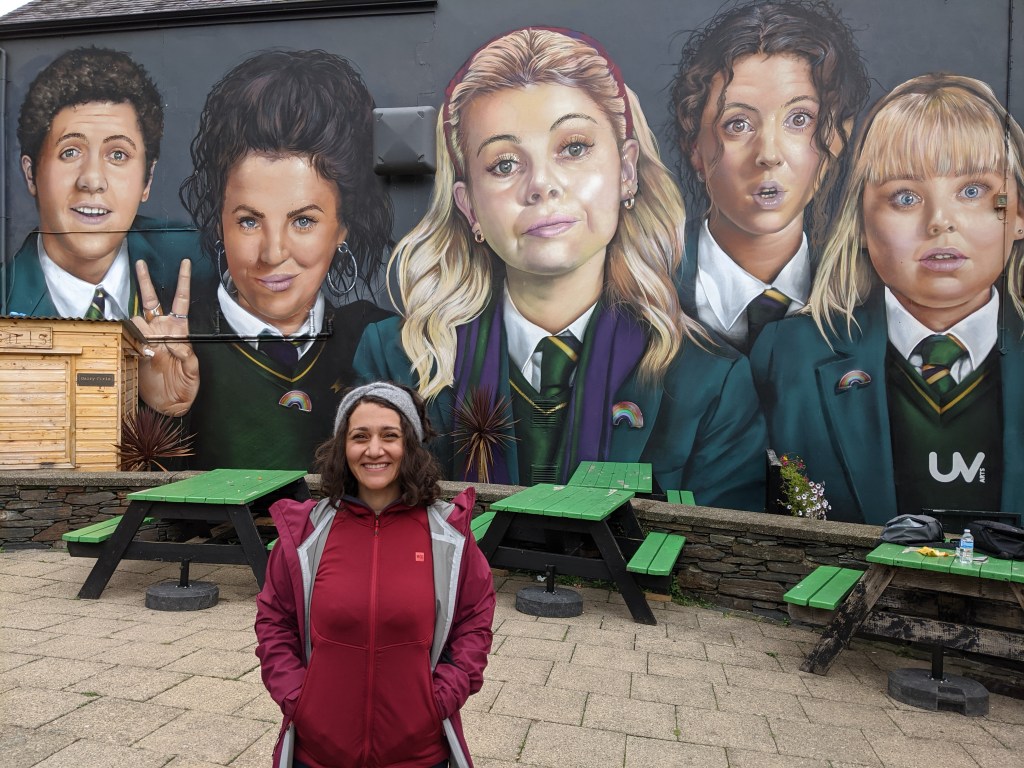
This beauty is what I love about the show Derry Girls, a coming of age story about a group of teenage girls and a boy growing up in Northern Ireland in the final years of The Troubles. Although the show is about Northern Ireland and the socio-economic and political struggles of Northern Ireland, it is also about the daily ups and downs, the excitements and disappointments of growing up. It is about school, friends, sexuality, religion, poverty, race, learning and thriving. It is about facing injustice and human complexities and above all it is about love and connection. (Spoiler alert: I’ll be writing about the final episode of the show).
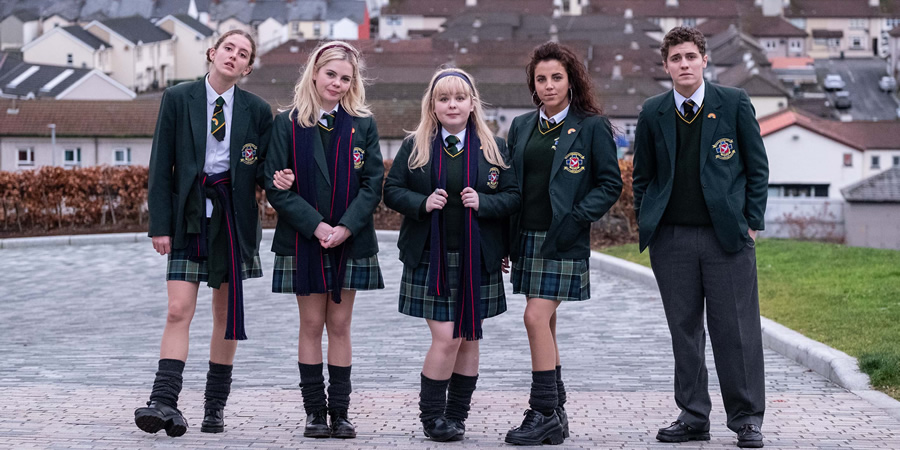
I’m of the same generation as these girls. I was a teenager in the late 90s and although my teenage years were marked by the process of immigration where I found myself caught between the two worlds of my birth country and my adoptive country, this show and the struggles of these girls resonate with me deeply.
Spoilers:
The last season of the Derry Girls ends with the referendum on the Good Friday Agreement which brought a ceasefire between paramilitary forces and the U.K government and allowed the first steps towards reconciliation and reparation. An overwhelming majority of people both in Northern Ireland and Ireland voted yes to this agreement. Even though they knew it wasn’t a perfect agreement since it conceded on some points to both sides of the conflict, they wanted to give peace a chance no matter how long it might take to build it. I have visited Northern Ireland and I can tell you as an outsider, it seemed not only it will take a long time to rebuild trust and peace between members of a community but also that peace needs to be tended to constantly and worked towards diligently. And working towards a peaceful co-existence is what the people voted for in 1998.
The last 10 minutes of the series involves the main character, Erin, speaking to Jame’s camera about turning 18, growing up and being able to vote. In between her words the images go from the fictional girls of Derry to real and historical images of Derry. There are children playing in the park, people throwing rocks at the police forces, military forces firing tear gas into the crowd, Margaret Thatcher, bombs thrown and cars on fire, and destruction and death on Bloody Sunday. Then the camera shows a gathering of people in front of the Guildhall in Derry in 2006 when David Cameron, the then-Prime Minister, gave a speech in the Parliament where he apologized for the atrocities of the British government against the Irish-Catholic protestors of Northern Ireland.
“What happened on Bloody Sunday was both unjustified and unjustifiable. On behalf of the Government, indeed, on behalf of our country, I am deeply sorry.”
The Derry crowd gathered to hear his speech being broadcasted from London erupts in applause for a long overdue apology. In that moment, the camera cuts to another real footage. There is a middle-age man with white hair and wrinkled face. He addresses the crowd by introducing himself and with trembling lips but a strong voice says:
“My name is Neil Young, brother of John, who was murdered on Bloody Sunday, and has now been vindicated as innocent!”
The crowd cheers at this declaration. A declaration of innocence! He was a victim! A victim of a brutal conflict, a challenging time, and oppressive people in power. It might have been so that his family and his brother knew all along that he was a victim, they believed that. But to be declared as innocent, to be told by the government in power that we made a mistake, enshrines that innocence. This declaration gives legitimacy to the feelings that families of many Northern Irelanders had when their family members died in their fight for liberty and democratic rights. It is a validation of what people held to be true for years; and this validation is vital for reparation.
This scene in the series, like many of its other heartfelt scenes, makes me cry. I cry out of sadness for the people who had to wait so long for justice and out of happiness that a semblance of justice finally arrived.
And I cry, because what I see in this show is a dream I have held all my life.
I have a dream that in my lifetime, a family member of the innocent victims of the Islamic Republic of Iran, will stand before the people and will proudly say how their daughter, son, mother, sister, brother or father have been declared as innocent by the new government. I have a dream that the new government will give a speech, not unlike that of David Cameron, and acknowledge the atrocities of the previous governments and vindicate the innocence and dignity of all those who were murdered while fighting for their basic human rights. I have a dream, not unlike Dr. King’s on the steps of the Lincoln Memorial, that one day I will see the families of victims finding each other, crying and hugging that at last they have received some form of reparation and justice for their loved ones. I have a dream that one day, not so far in the future, an Iranian version of Lisa McGee (the creator of Derry Girls) will create a dark comedy series about a group of girls growing up during these times in Iran.
I write with them in my heart and for my young self: the young girl whose parents, thankfully, decided to leave Iran 25 years ago for a better life for their 3 daughters, and who in that process lost the loving support and community of her large family. I never knew how much I hated the hijab that was enforced on me, until we were leaving Iran. Among the tears and the sad goodbyes with my family, I was so incredibly excited to take the hijab off. I could hardly wait. My excitement was so palpable that I could taste its sweetness against the bitterness of separation. I was going to be free! We were flying towards freedom. And I would learn in the years to come that freedom has its costs.
I write with all those who were forced to leave and all those who were forced to stay, and all those who choose to stay and resist. I write this post for all the Mahsas, Nikas, Sarinas and I have a dream that one day someone writes their sad, heartbreaking and beautiful stories.
For now, I encourage you to watch the beautiful Derry Girls and when you will inevitably laugh or cry, think of their Iranian counterparts.
“What if we do it, and it was all for nothing? What if we vote yes, and it doesn’t even work?” Erin asks her grandfather as they get ready to vote. He looks at her lovingly and says:
“What if it does? What if no one else has to die? What if all this becomes a ghost story you’ll tell your wains one day? A ghost story they’ll hardly believe.”
 Affects of Conflict